City centreClick on a photo for a large version. |
Leicester has good museums! These museums are either in the city centre, or close by.
You cannot visit Leicester and not "do" Richard III! The story of the discovery of the body in 2011 is astonishing but I'm not going to describe it here (try Wikipedia).
4A St Martins, Leicester LE1 5DB - website - open every day. It costs money to enter, but if you keep the ticket, you can visit more than once. The Tourist Information centre is there as well. I don't seem to have taken many photos of the centre, but here are a few. The skeleton is a replica, but it shows how he was killed (a blow to the head). The roses in the cafe's courtyard were white, of course.

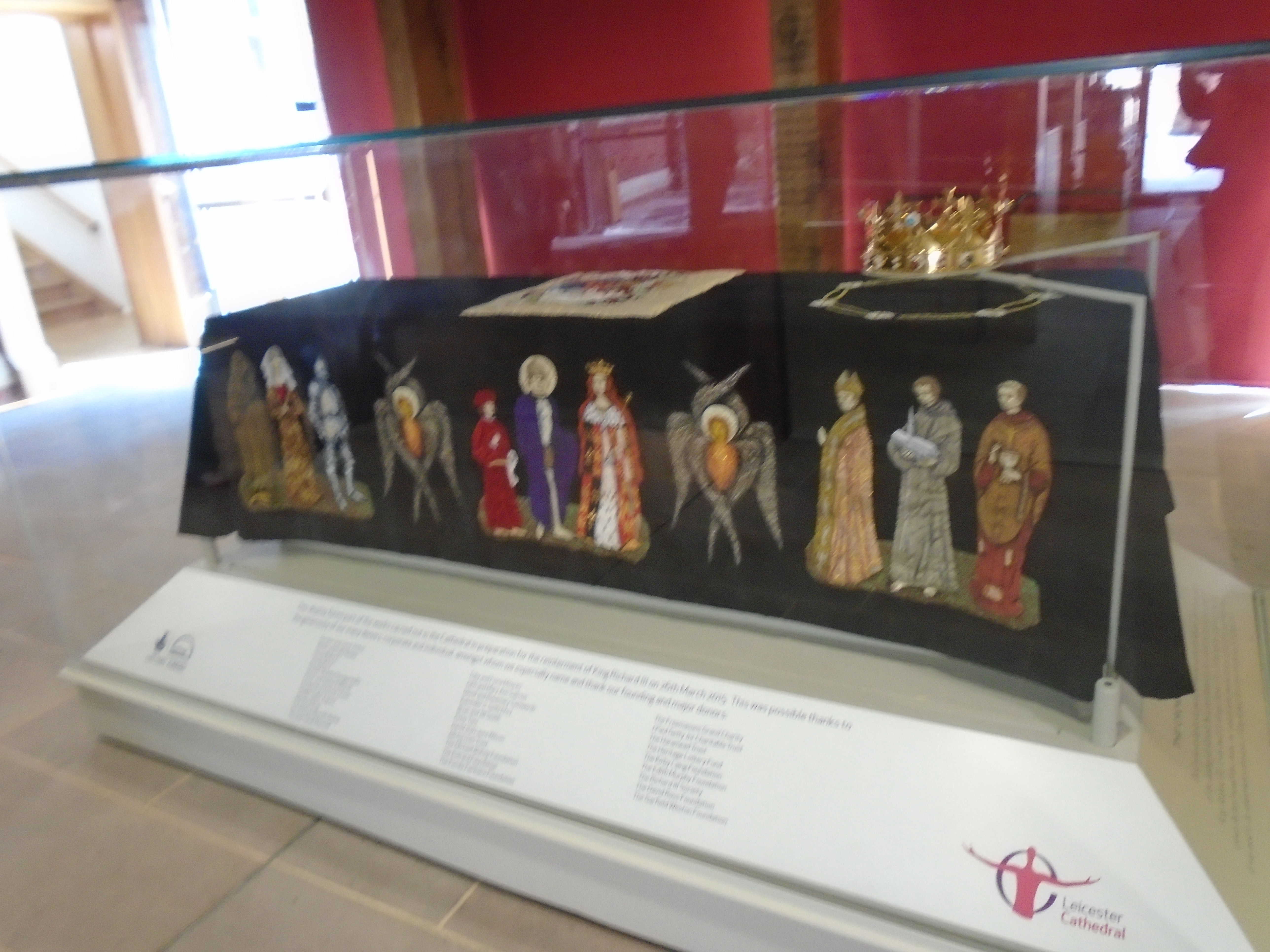

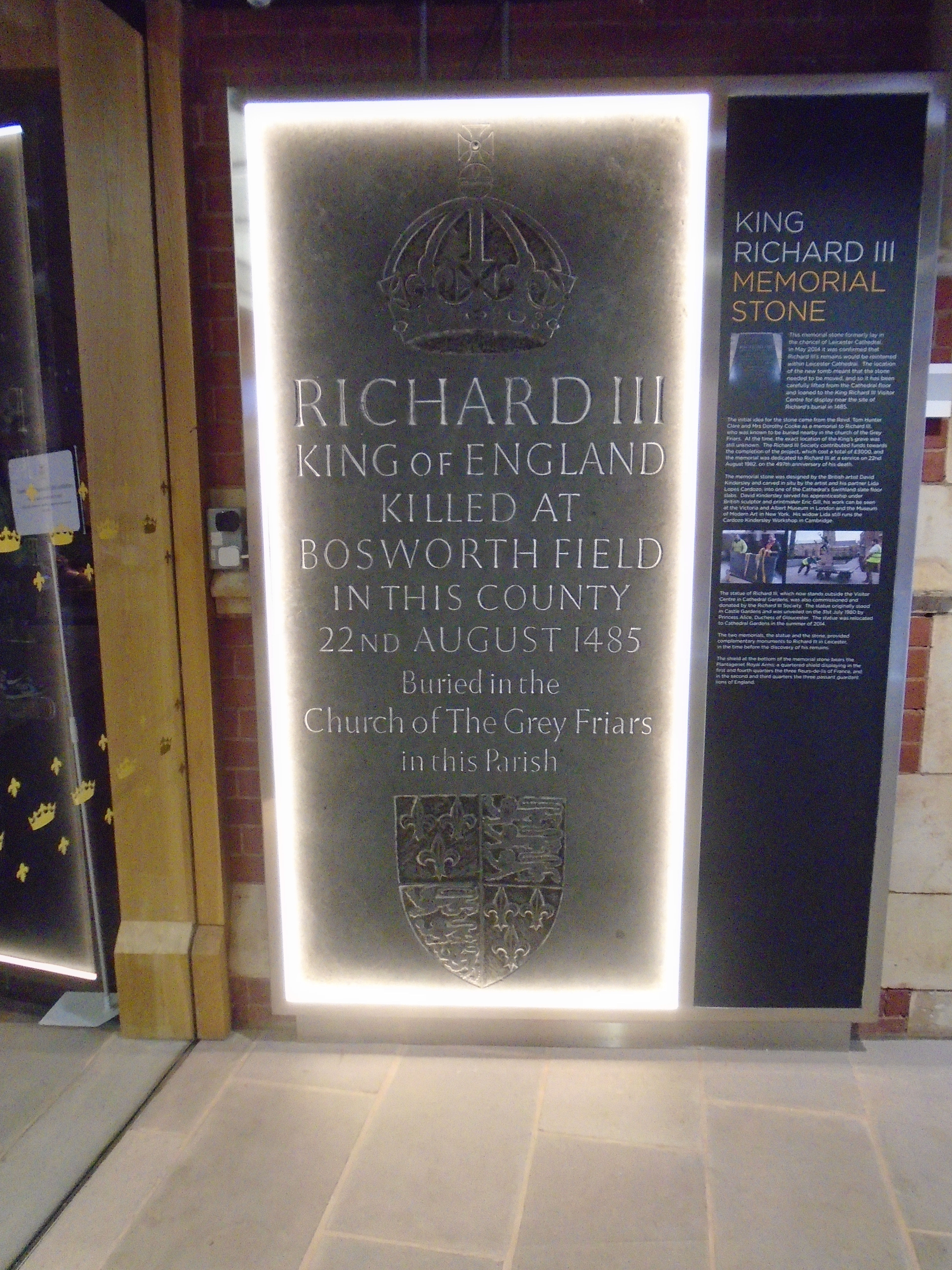


There is art round Leicester featuring Richard III. See the art on this website for more details.


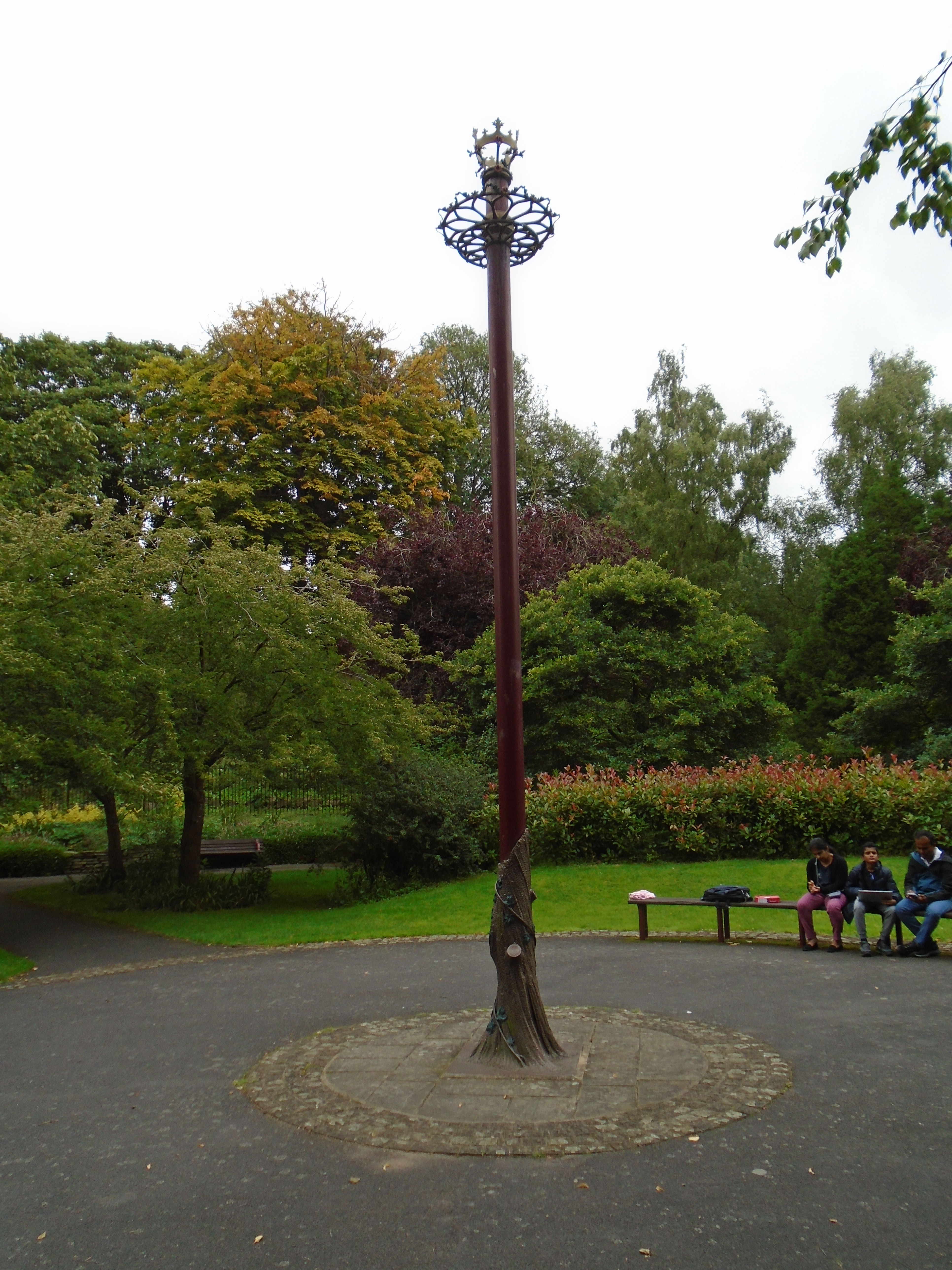


King Richard Road has some shops, which also reference him!

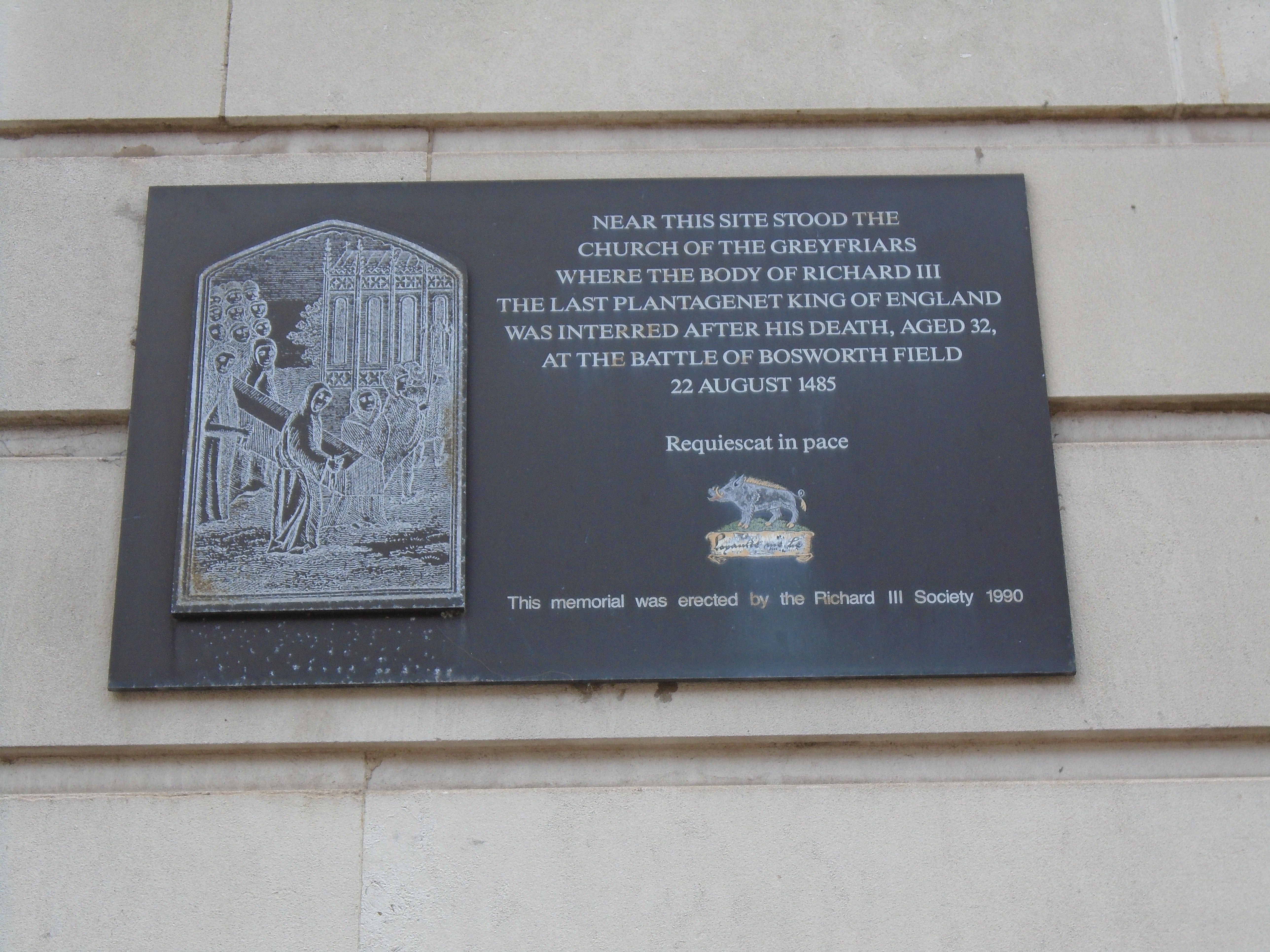
There are also plaques... Leicester doesn't seem ever to remove plaques, just add more. These predate the discovery of the body of Richard III.


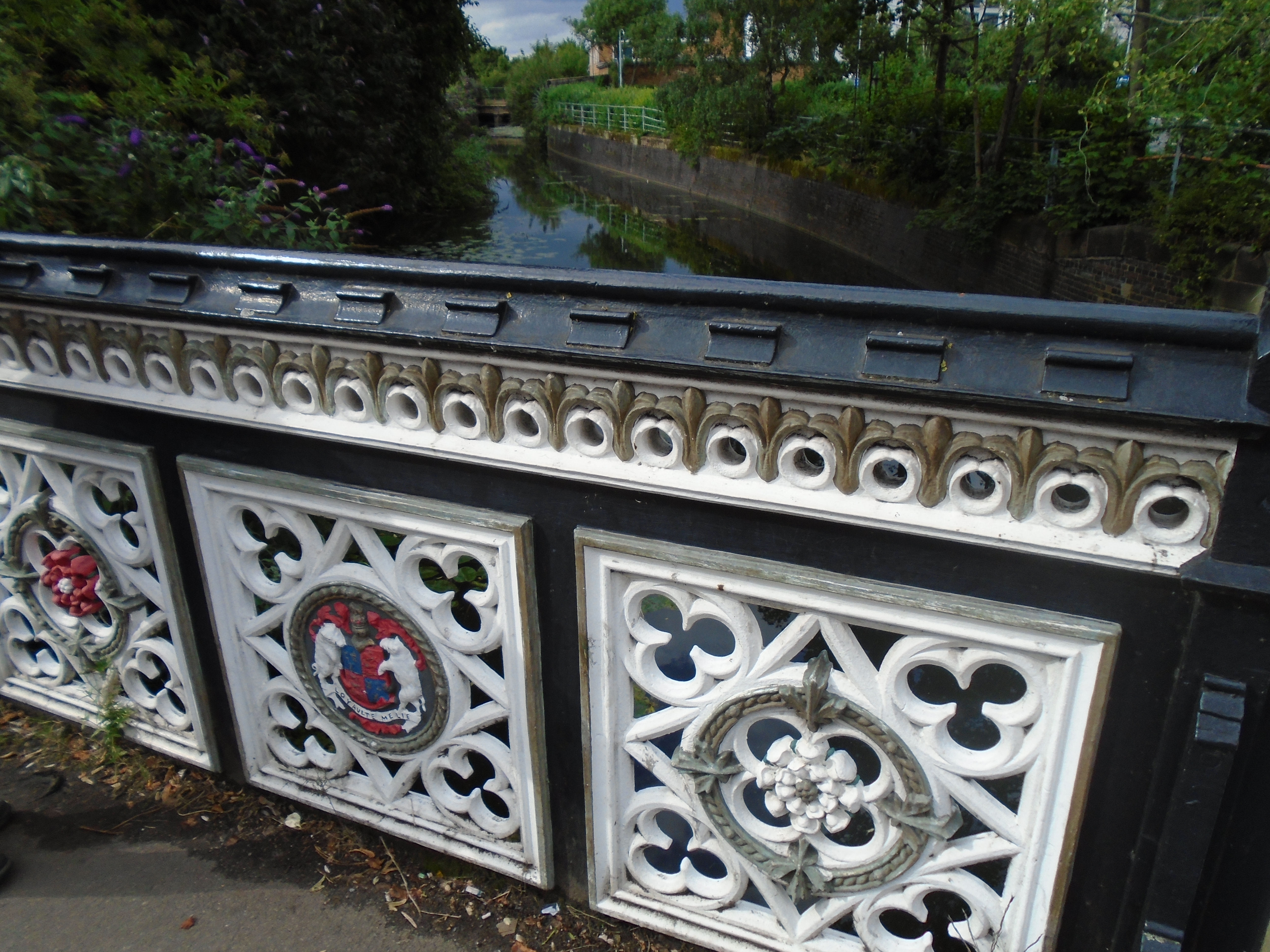
Some of those plaques are on Bow bridge. There is more than once bridge, over the river and over the canal, and also two sides of the road. Richard III rode out over this bridge to go the Batthe of Bosworth. Henry VII rode back into Leicester this way, with Richard's body. Here are the decorations on the bridge. Note that white rose is York (Richard III) and Red rose is Lancaster (Henry VII). The red and white rose is the Tudor rose, designed by Henry VII (who married Elizabeth of York) to unite England. However, it could be that the rose colours are merely modern bridge painters misunderstanding the original intention of the bridge makers.



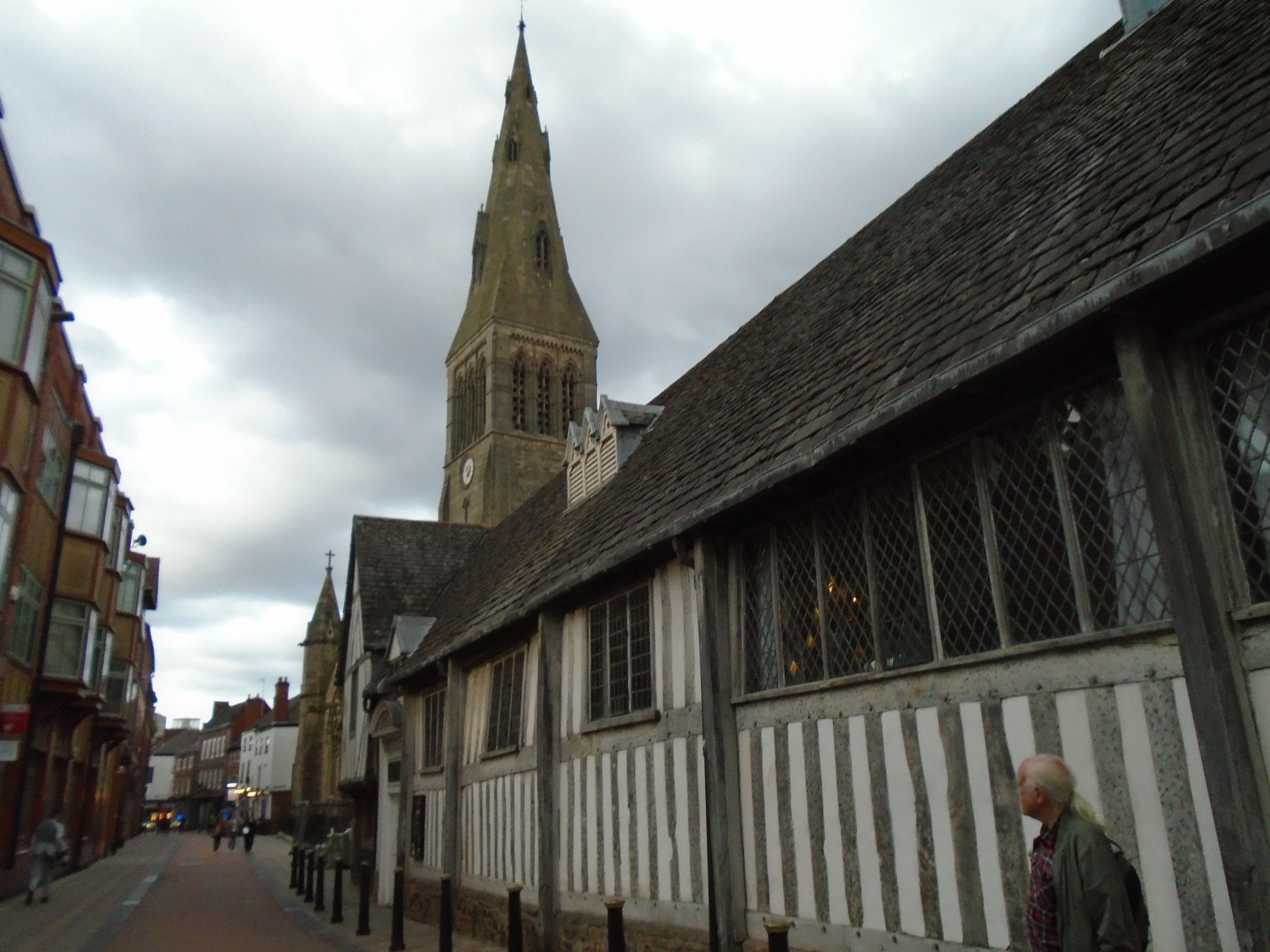
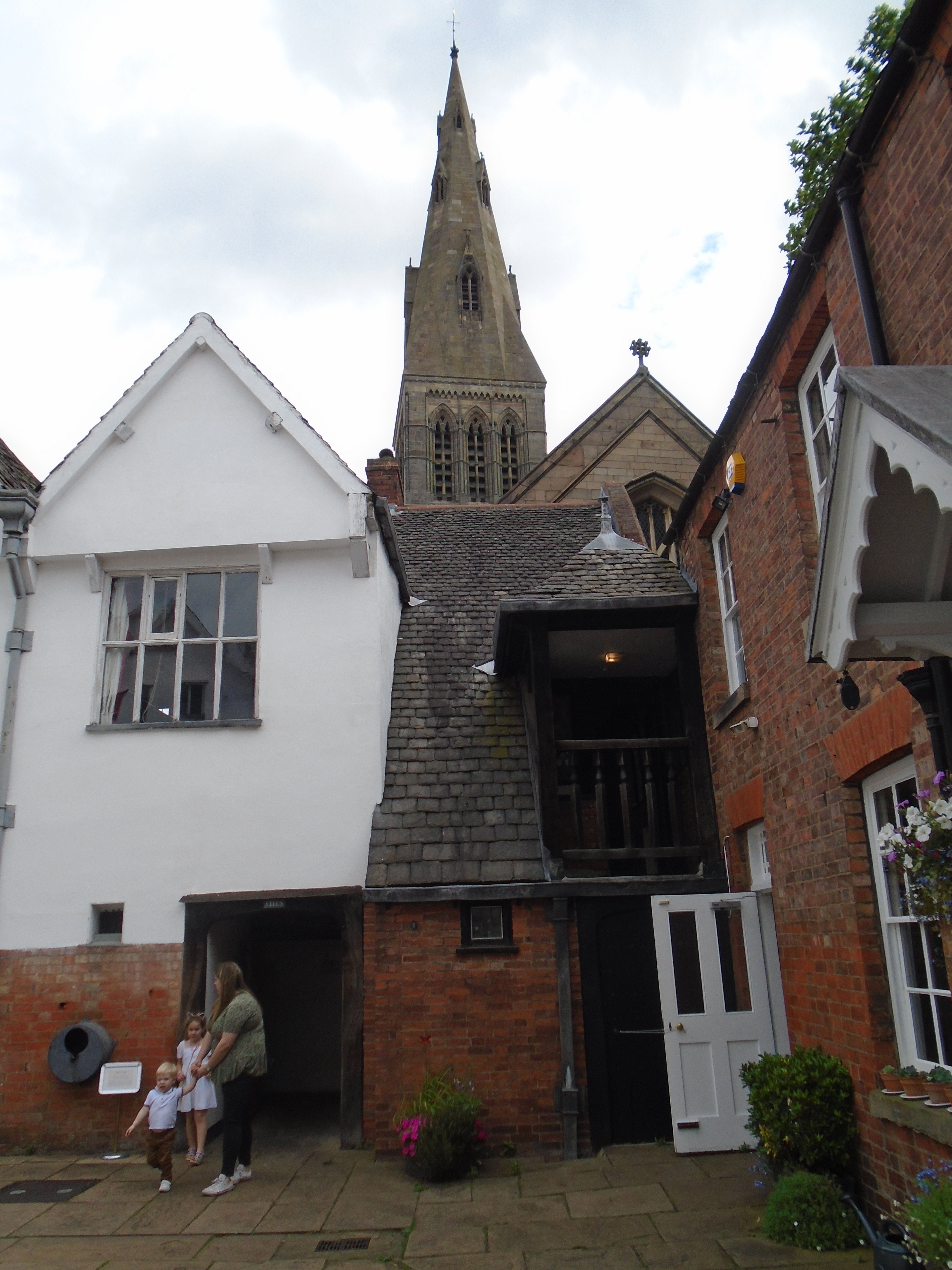
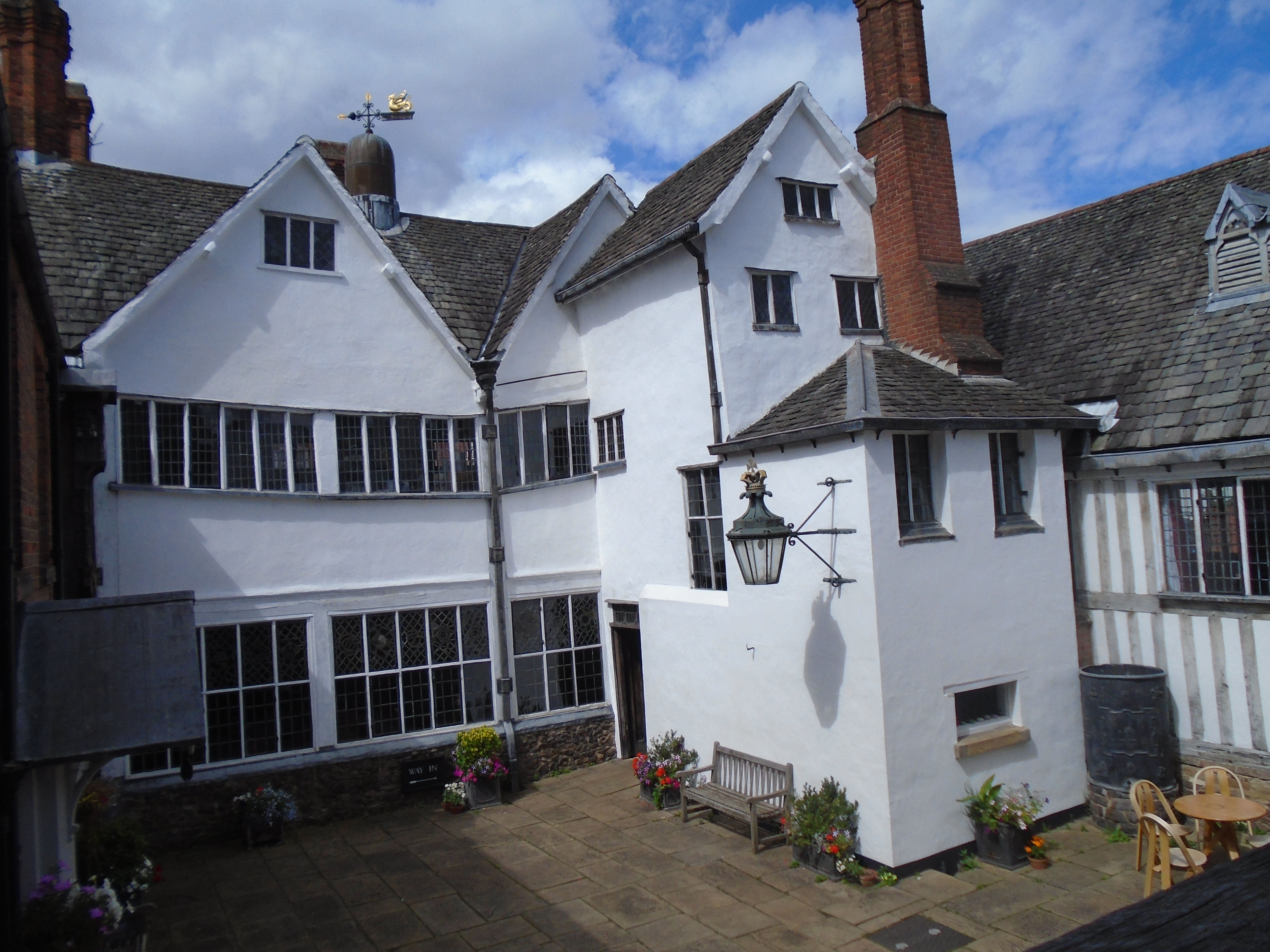
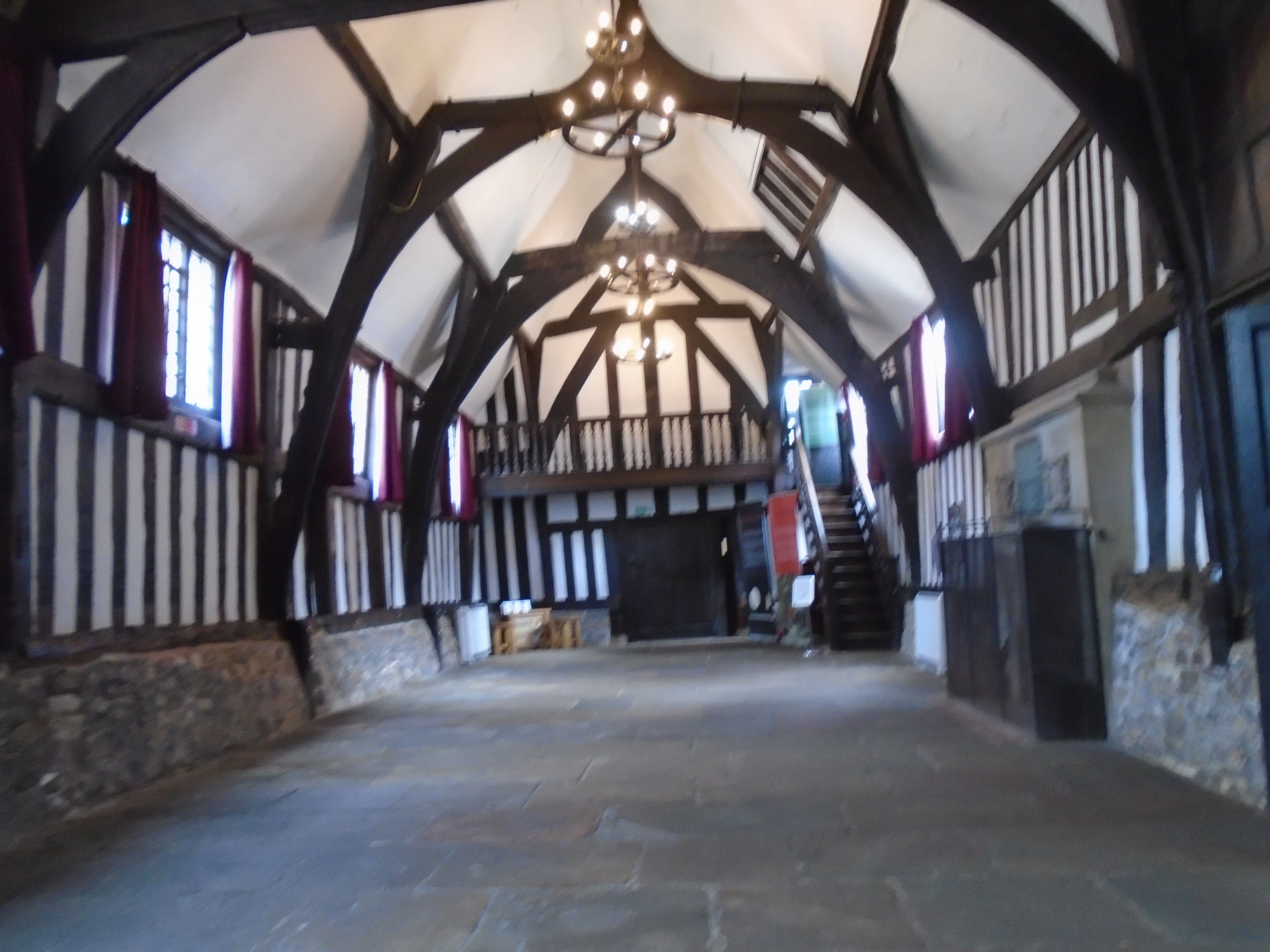
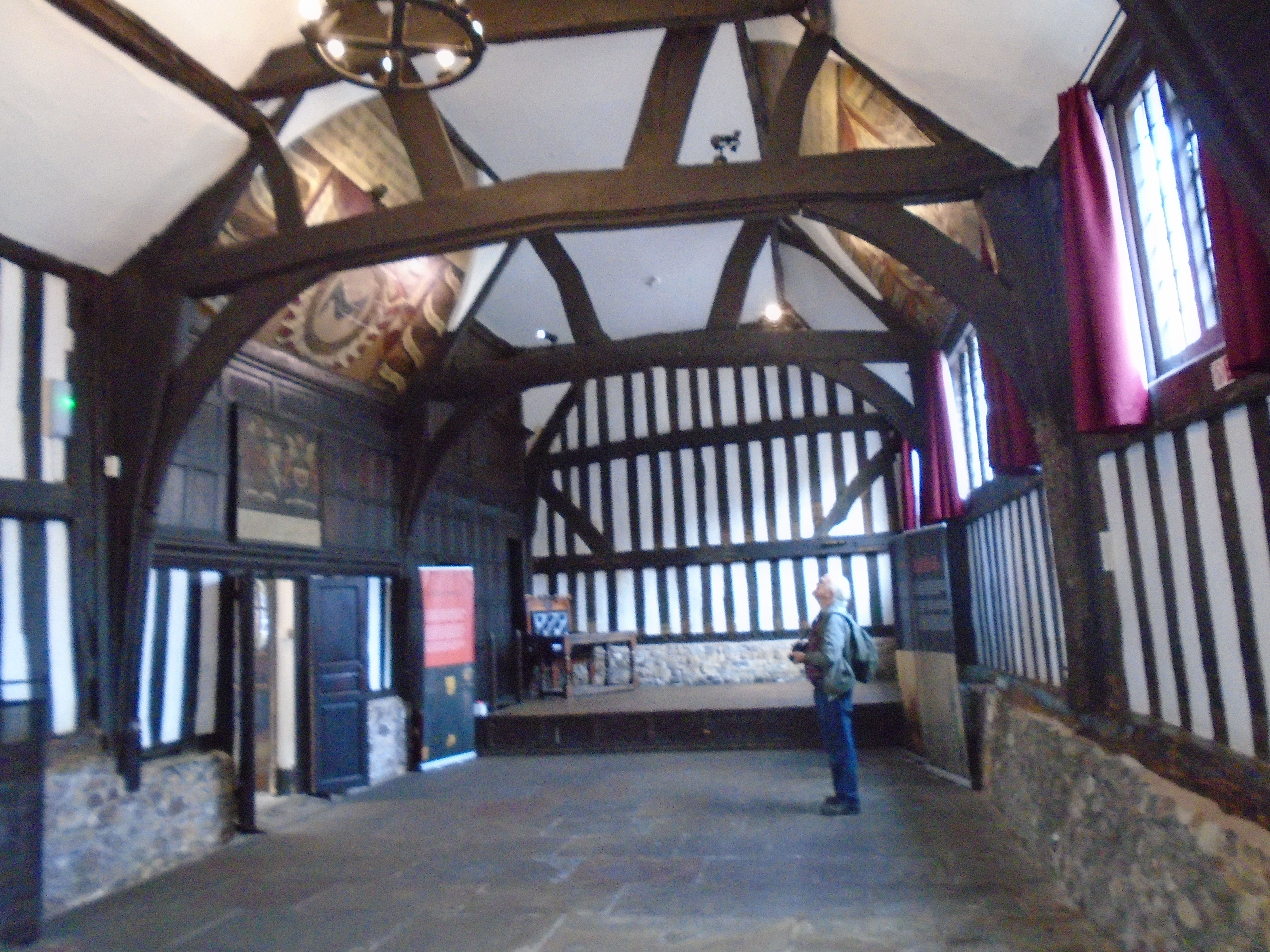
Guildhall Lane, Leicester, LE1 5FQ - Website - free to enter, open every day. The Great Hall was built in about 1390, an impressive room, but there are also displays about Leicester life.

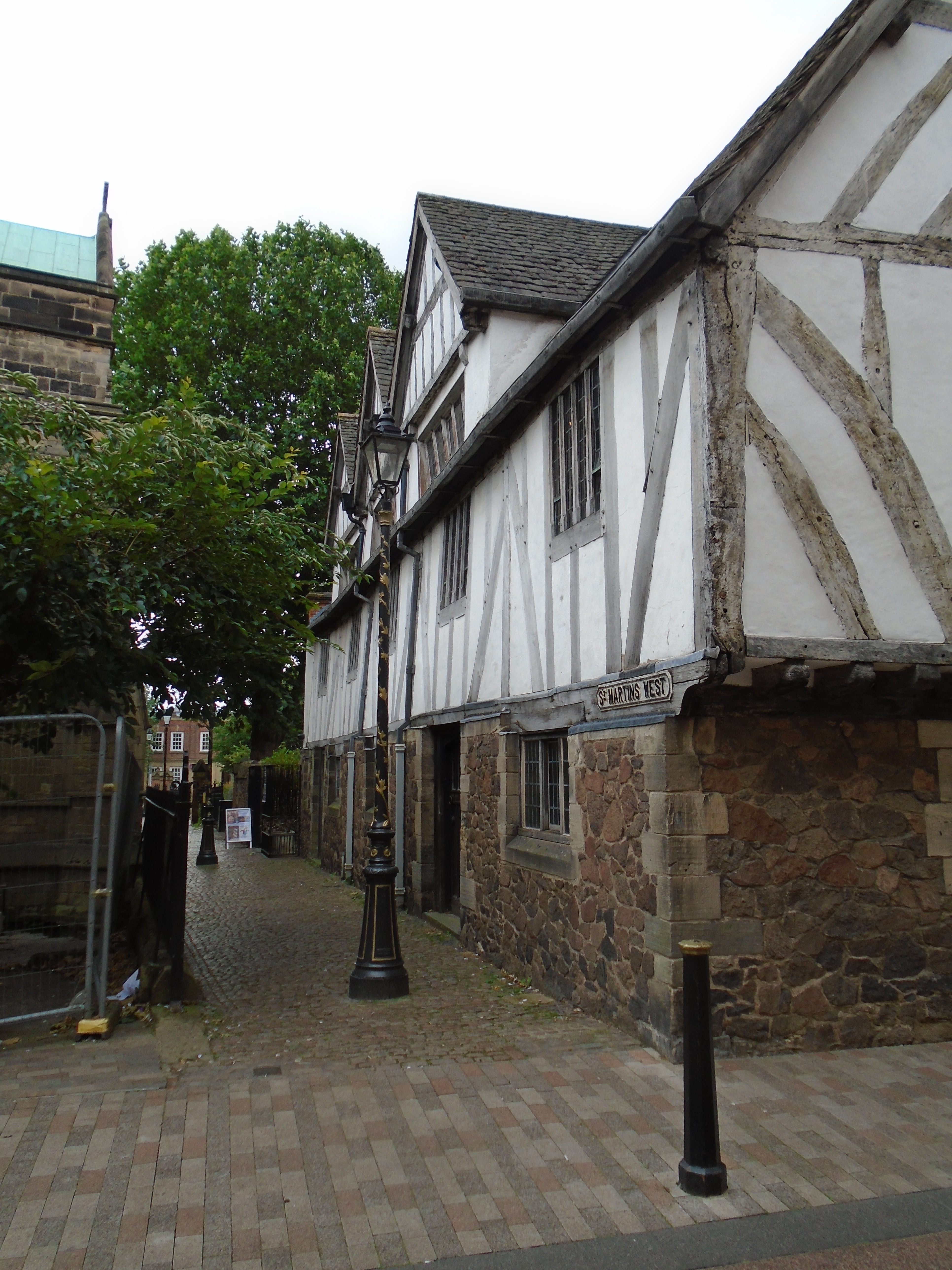

The courtyard:



The Great Hall:


The Jewry Wall museum was closed when we visited Leicester, unfortunately., but for when it's open again...
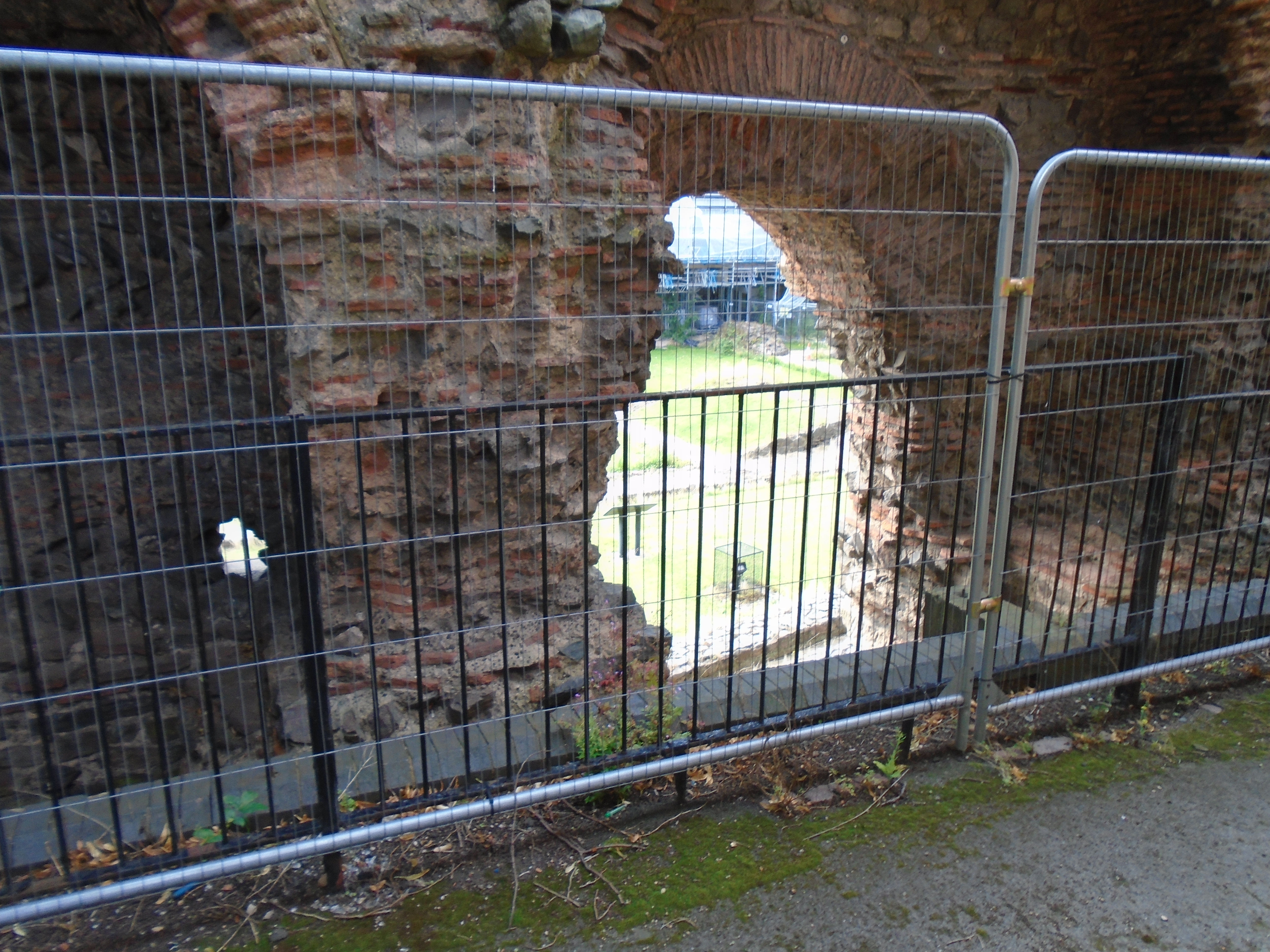
Jewry Wall, St Nicholas Walk, Leicester LE1 4LB - Website - Jewry Wall was built in the second century and is one of the largest surviving Roman structures in Britain today. As Roman Britain fell into decline, the complex was left to decay and became buried underneath years of accumulated deposits and later buildings. In the 1930s, during excavations led by Kathleen Kenyon, the remains of the bath complex were finally revealed again as archaeologists rediscovered the surviving foundation walls of a series of rooms and furnaces.
The area was closed to the public, but the fencing had holes in where you could see some of the site.




156-140 St Nicholas Walk, Leicester LE1 4LB - Website - free to enter, not sure about opening times. It was open on Heritage Sunday (see Castle area), bit also at other times.
St Nicholas Church is probably the oldest place of worship in Leicester, with a history dating back to the Saxon period. You could say the story of the church goes back much further in time, for it shares a common boundary wall with the Roman bath complex known as the Jewry Wall, and there are Roman columns (from basilica, or town hall) in the churchyard. The church incorporates Roman bricks into its walls, and retains examples of Saxon stonework.


© Jo Edkins 2023